Electrical Requirements for Hot Tub & Spa Installation
Thinking about a hot tub or spa? Learn the key electrical requirements, from dedicated circuits to GFCI protection, before you order or schedule delivery.
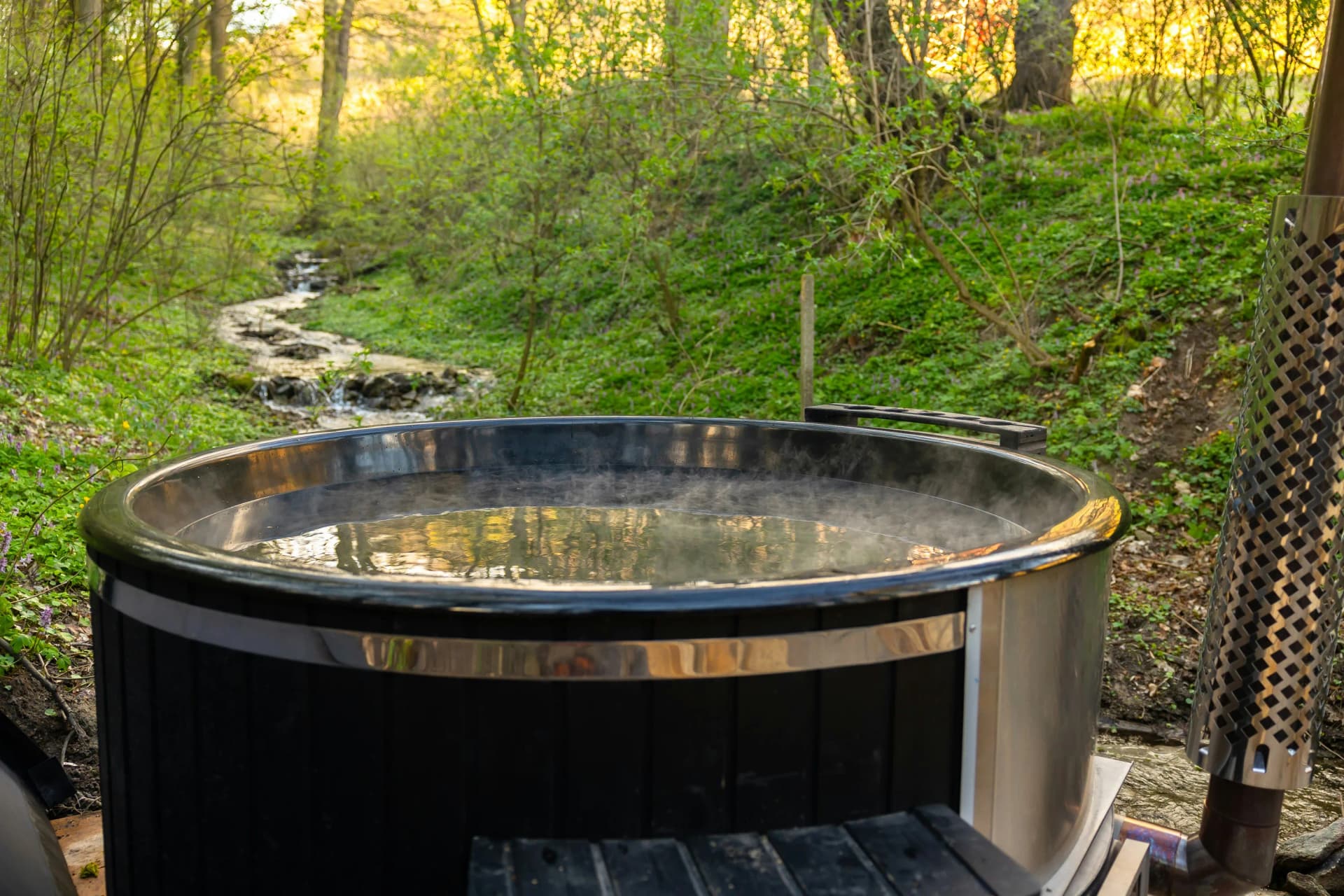
Thinking About a New Hot Tub? Call Us Before You Order
We recently got a call from a homeowner — we’ll call him Brian — who had just bought a new hot tub and realized he still needed power run to it. The spa was already sitting on the patio, but there was no dedicated circuit, no disconnect, and he wasn’t sure how close the electrical panel was or what the code required.
Brian’s main question was simple: “Can you come out and give us a price quote to install a circuit for a hot tub — and how soon can it be done?” From there, our conversation turned into a mini crash course on the electrical requirements for hot tubs and spas, and what really needs to be figured out before you order or schedule delivery.
We thought it would be helpful to walk through the same things we shared with him, so you can be better prepared and avoid surprises.
Why We Always Start With an On-Site Visit
When Brian called, he was hoping we could quote the job over the phone and then just show up and do the work. As we explained to him, spas and hot tubs can look very similar on the surface, but every installation is a little different once we see your house.
We had just completed a spa earlier that morning where, once we were on site, we found a much easier way to feed the tub. The result was about half the cost of what we would have estimated sight unseen. That’s exactly why we insist on coming out first: we want real numbers based on your actual layout, not a wild guess.
During an on-site visit for a hot tub or spa, our team is looking at a few key things:
- Location of your main panel relative to where the spa will sit
- Whether your meter socket can support a spa circuit (some can, some can’t)
- Available capacity in your electrical service and panel
- Best routing for the conduit or cable (through basement, crawlspace, exterior wall, etc.)
All of those details directly affect the cost and the look of the finished job.
Basic Electrical Requirements Most Hot Tubs Need
While every manufacturer and model is a bit different, most full-size permanent spas share some common electrical needs. Before you click “order” on that new hot tub, it’s smart to understand these basics:
Dedicated Circuit & Correct Amperage
Most standard 240V hot tubs require a dedicated 240V circuit, typically in the 40–60 amp range. The exact size depends on your specific model and features (pumps, heaters, lights, blowers, etc.).
That means:
- No other devices or outlets are allowed on that circuit
- The breaker must match the tub’s listed amperage and voltage
- The wire size must be correct for the breaker and the run length
Your spa’s installation manual will spell out the required breaker size and wire type — and we always verify that on site.
GFCI Protection & Outdoor Disconnect
For safety and to meet code, hot tubs almost always require:
- GFCI protection (usually a GFCI breaker or GFCI spa panel)
- A shutoff/disconnect box mounted within sight of the spa, but not too close (typically between 5–15 feet, depending on local code)
This setup lets you (or a service technician) shut power off quickly while working on the tub and protects against ground faults in a wet environment.
Panel Location, Meter Socket Options & Distance
One of Brian’s big unknowns was, “Is this going to be a simple job or a long, expensive run?” That’s where the layout of your home makes a huge difference.
Here’s what we walk through during an estimate:
Main Panel vs. Meter Socket
In some homes, the main electrical panel is on the opposite side of the house from the patio where the spa will sit. In others, it’s very close. Sometimes, the meter socket outside has the ability to feed additional circuits directly. When that’s the case and it’s close to the spa location, we may be able to:
- Run a shorter conduit
- Avoid snaking wire through finished spaces
- Reduce the amount of labor and materials
That can significantly lower the cost compared to running a long feeder from a distant panel.
Pathway & Obstacles
We also look at what’s between your power source and the spa:
- Finished basements, drywall, or ceilings we’d need to work around
- Decks, patios, or landscaping that might affect conduit routing
- Whether we’ll run inside, outside, underground, or a combination
These details are why an in-person visit gives a much more accurate estimate than any phone quote could.
Timing: When to Call an Electrician in the Process
With Brian, the spa had already been delivered, and he was hoping to get power installed as quickly as possible that week. We were able to get him on the schedule for a morning estimate, then move him into the install schedule as soon as he approved the numbers.
Our general recommendation for homeowners is:
- Before ordering, pick your desired spa location and check rough distances to your panel or meter.
- Call us for a site visit so we can confirm feasibility, check capacity, and give you a realistic cost range.
- Order the spa once you know the electrical plan works with your budget.
- Schedule the install so your wiring is ready right before, or shortly after, delivery.
Can we still help if the tub is already sitting on your patio like Brian’s? Absolutely — it just means we’re working on a tighter timeline, and you may be staring at a beautiful, unusable spa for a few extra days.
What You Can Do to Be Ready for Your Estimate
If you’re planning a hot tub or spa, here are a few ways to help us help you:
- Have your spa’s make and model or manual handy so we can confirm electrical specs.
- Decide roughly where you want the spa before we arrive.
- Clear access to your electrical panel and the path we’ll likely need to inspect.
- Think about future plans (deck additions, patio expansions) so we can route things with that in mind.
When we leave, you’ll know exactly what the work involves, what it will cost, and how soon we can have your spa powered up and ready to enjoy.
Ready to Power That New Spa?
Whether you’ve already ordered your hot tub or you’re still comparing models, getting the electrical side right is critical for safety, code compliance, and long-term reliability. Our team handles this every week — from simple, close-by installs to more complex runs around finished spaces.
If you’re thinking about a spa, reach out before delivery if you can. We’ll walk the property with you, talk through options, and give you an honest, clear estimate so there are no surprises when it’s time to relax in that hot tub.