Is Your Garage Electrical Safe? A Guide for Your Garage Door Opener
Still using an extension cord for your garage door opener? Learn how to power it safely and when to upgrade your garage subpanel and conduit.
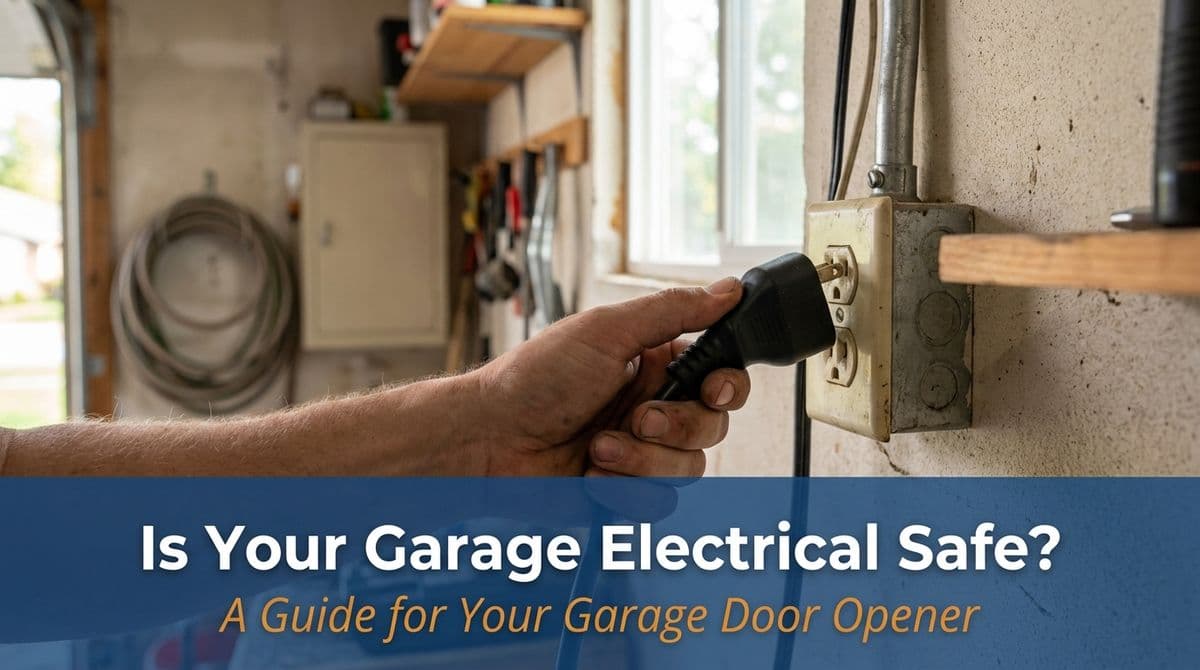
“Homeowner Special” in the Garage: When Is It Time to Upgrade?
We recently got a call from a customer — let’s call him Jason — who had a nagging feeling something wasn’t quite right with his garage electrical.
Jason told us the previous homeowner had installed a garage door opener, but instead of a proper outlet in the ceiling, they ran it with an extension cord across the garage. On top of that, there was an old subpanel and a questionable conduit run from the house to the attached garage. In his words, it all felt a little too “homeowner special.”
He wanted to know:
- Is it safe to power a garage door opener with an extension cord?
- How should a garage door opener be wired correctly?
- When is it time to replace an old subpanel and conduit feeding the garage?
We hear versions of Jason’s questions all the time, so let’s walk through how we approach situations like this and what you should be looking for in your own garage.
Why an Extension Cord Is the Wrong Way to Power a Garage Door Opener
When we arrived at Jason’s place, the first thing we looked at was how the garage door opener was powered. Sure enough: bright orange extension cord snaked across the ceiling, plugged into a wall outlet that also had a power strip plugged into it.
That setup raises a few red flags:
- Extension cords are temporary, not permanent. The electrical code is very clear: extension cords are meant for short-term use, not to replace permanent wiring.
- Mechanical damage risk. Cords draped across rafters or joists can be pinched, abraded, or damaged over time – especially in a busy garage.
- Overheating and overload. Many extension cords aren’t rated to handle continuous loads in hot spaces like garages, particularly if other things are plugged into the same circuit.
- Insurance and inspection issues. A visible “DIY” setup like that can become an issue during a home inspection or after an electrical fire.
In short: your garage door opener should have a dedicated, hardwired receptacle close to the unit — not be powered through an extension cord.
The Right Way to Power a Garage Door Opener
For Jason, our plan was to install a code-compliant ceiling receptacle near the opener and feed it from a properly protected circuit in the garage subpanel. The general best practices we follow are:
1. Install a Proper Receptacle Near the Opener
- Location: A single outlet in the ceiling (or high on the wall) within reach of the opener’s factory cord.
- Circuit: Typically a 15A or 20A circuit, depending on the rest of the garage loads and local code requirements.
- Protection: In many areas, this outlet must be GFCI-protected and, in newer codes, possibly AFCI-protected as well. We always verify what your local jurisdiction requires.
2. Use Proper Cable or Conduit
- Finished garages: We usually run cable (like NM-B) inside walls/ceilings where it’s protected.
- Unfinished garages: Exposed runs should be protected in conduit or placed where they’re not likely to be bumped, hit, or used as a hanger.
3. Keep the Circuit Balanced
The opener itself doesn’t draw much power, but in many garages, that same circuit may also serve lights or receptacles where you plug in tools. We look at the overall load so you don’t end up tripping breakers every time you run a saw and the door at once.
When to Upgrade a Garage Subpanel
Jason’s other concern was the old panel in the garage. He knew he needed an outlet for the opener, but he was also asking the bigger question: “Is this panel even safe?”
Here are the common signs we look for that tell us a garage subpanel is ready for an upgrade:
- Rust or corrosion: Garages see more moisture. Any rust inside the panel, on breakers, or on the bus bars is a big warning sign.
- Overcrowding or double-tapped breakers: If multiple wires are crammed under one breaker or the panel is packed to the brim, it’s time to rethink the setup.
- Outdated equipment: Very old panels may not meet current safety standards and may lack modern breaker protection (like AFCI/GFCI).
- Improper bonding or grounding: In a subpanel, neutrals and grounds should be separated, and the panel should be properly grounded.
- Visible DIY work: Mismatched breakers, loose cables, missing panel covers, or random junctions are often clues that an unlicensed person has been “experimenting.”
For Jason, the plan was to inspect the panel thoroughly: check wire sizes vs. breaker ratings, verify proper grounding and bonding, and decide whether a clean, modern subpanel would be safer and more practical for any future projects he has in mind.
Is Your Garage Conduit Safe and Up to Code?
The last piece of Jason’s puzzle was the conduit run from the house to the garage. He wasn’t sure when it was installed or whether it was even done correctly.
When we evaluate a conduit run, we look for:
- Type and condition: Is it EMT, PVC, or flexible conduit? Is it cracked, dented, or pulling apart at the fittings?
- Proper burial depth (if underground): Underground conduit must be buried to specific depths for safety and protection.
- Correct wire type inside: Wires in conduit must be rated for that use; we sometimes find old or incorrect cable stuffed inside.
- Moisture issues: Water can enter conduit and wick into panels if not installed correctly, leading to corrosion over time.
If the conduit itself is in poor shape, undersized, or installed incorrectly, we’ll typically recommend replacing it while we’re upgrading the panel and circuits. It’s often more cost-effective to tackle all of that at once than to patch it piecemeal.
Balancing Safety and Budget: Where to Start
Like Jason, many homeowners tell us they don’t have “endless funds” and need to prioritize. That’s perfectly normal, and we approach garage projects with that in mind.
Here’s how we usually prioritize, from highest to lowest urgency:
- Immediate safety issues: Damaged wiring, overheating, rusted panels, double taps, or extension cords used as permanent wiring.
- Code-required upgrades for new work: GFCI/AFCI protection, proper receptacle placement, and safe panel capacity.
- Future-proofing: Upsizing a subpanel or conduit so you can add circuits later for EV chargers, heaters, or workshop tools.
For Jason, the first steps were clear: get the opener on a proper outlet, assess the subpanel condition, and then decide whether the existing conduit was safe to keep or smarter to replace.
Wondering About Your Own Garage?
If you see an extension cord running to your garage door opener, a rusty or overcrowded subpanel, or a mysterious conduit run that doesn’t inspire confidence, it’s worth having a licensed electrician take a look.
We’re happy to walk through your options, explain what’s urgent and what can wait, and help you turn a “homeowner special” setup into a safe, reliable garage electrical system.