Installing a Heated Towel Rack: What Your Electrician Checks
Thinking about a heated towel rack? Learn the real electrical requirements, safety musts, and what to expect when an electrician installs one in your bathroom.
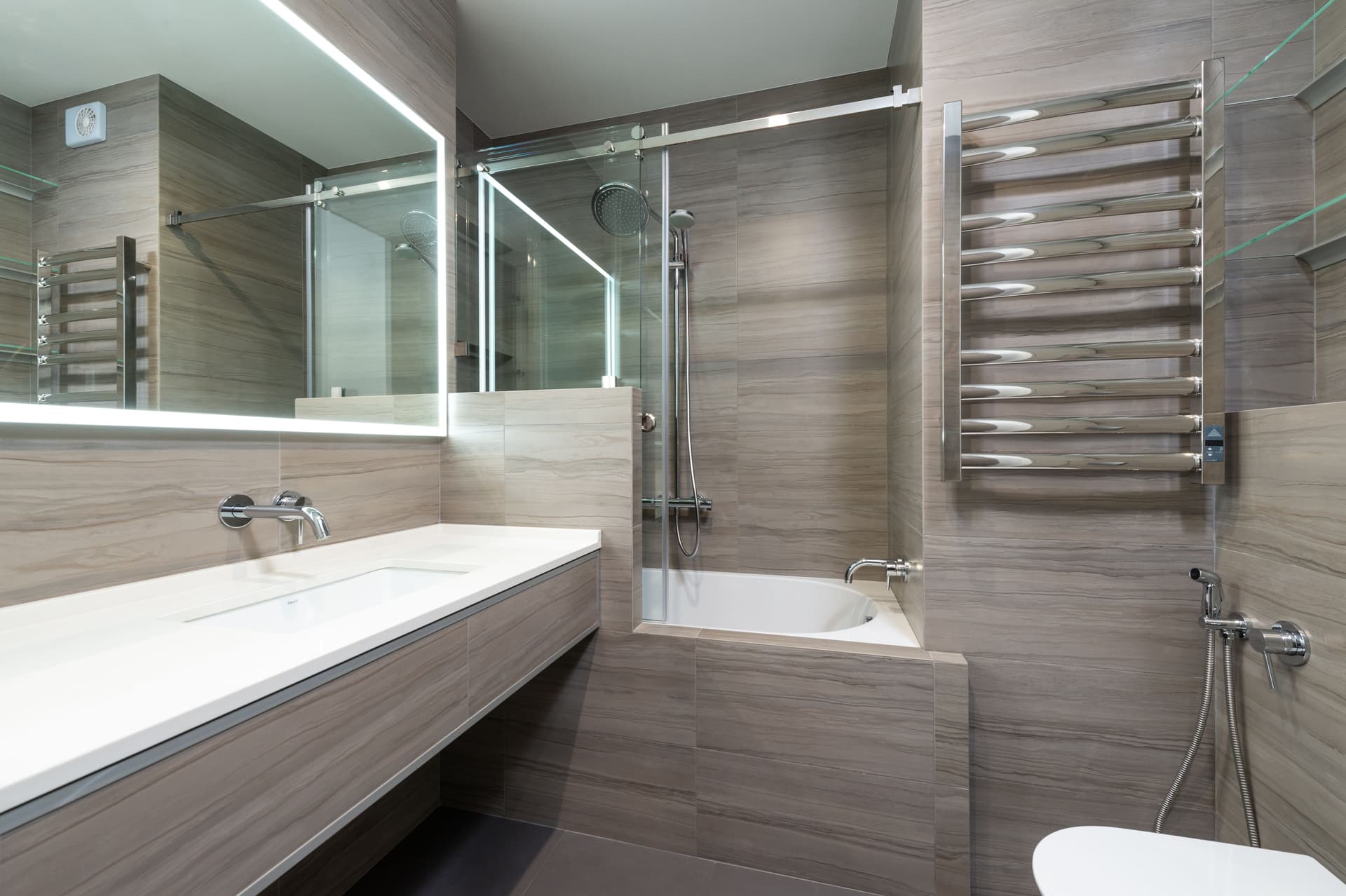
Thinking About a Heated Towel Rack? Here’s What Really Goes Into It
We recently got a call from a homeowner — let’s call him Mark — who had just moved into a new place and wanted to add a heated towel rack in his bathroom. He’d seen a few models at the local big box store that looked reasonably priced, but he wasn’t sure what it would take to get power to the spot or whether we could handle “the whole thing” — wiring and installation.
That’s a question we hear a lot: “Can you do a turnkey install for a heated towel rack, and what does it involve?” So in this post, we’ll walk you through exactly what we told Mark: the electrical requirements, safety considerations, what to expect from your electrician, and even a few tips on timelines, costs, and mistakes to avoid.
Do Heated Towel Racks Need Their Own Circuit?
One of the first things Mark asked was whether we could just “tap into” an existing bathroom circuit. Technically, sometimes you can share a circuit, but it’s not what we recommend for most setups.
Here’s why: many heated towel racks draw enough power that, when combined with hair dryers, curling irons, exhaust fans, and other bathroom loads, you’re pushing that circuit close to its limit. That’s when nuisance tripping — or worse, overheating — can start to show up.
In Mark’s case (and in most cases), we recommended a dedicated circuit for the heated towel rack. That means:
- We verify you have open space on your electrical panel.
- We install a new breaker sized correctly for the towel rack’s load (commonly 15A or 20A on 120V, depending on the unit).
- We run new wiring from the panel directly to the location of the towel rack.
This approach keeps the towel rack from competing with the rest of your bathroom devices and gives you a safer, more reliable setup.
Key Electrical Requirements for a Heated Towel Rack
Before you buy a unit off the shelf, it’s smart to make sure your home can support it. When we came out to give Mark his estimate, here’s what we checked:
1. Panel capacity and breaker space
We look at your main service panel to confirm:
- You have room for a new breaker (no “double-tapped” breakers).
- Your overall service isn’t already overloaded.
- The existing neutral and ground bars can accept additional conductors.
2. Circuit type and voltage
Most residential heated towel racks are 120V plug-in or hardwired units, but some higher-end or commercial-style models may be 240V. We always confirm:
- The manufacturer’s specified voltage and amp draw.
- Whether the circuit should be GFCI protected (typically required in bathrooms).
- Wire size that matches the load and circuit length.
3. Location and wiring path
We also look at the physical layout:
- Is the bathroom on an exterior or interior wall?
- Can we run wire through the attic, basement, or crawlspace?
- Will we need to make small drywall cuts, or can we fish wires with minimal patching?
With Mark, getting from the panel to the bathroom involved going through a finished portion of the basement ceiling. We walked him through the route, where any small access holes might be, and how we’d cleanly patch or minimize them.
Safety Considerations: Bathrooms and Electricity Don’t Mix
The other big topic we covered with Mark was safety. A heated towel rack is a comfort upgrade, but it’s still an electrical appliance in a damp space, so it has to be treated like one.
GFCI protection and code compliance
Current electrical codes require GFCI protection in bathrooms for outlets and many types of fixed equipment. Depending on the model, that may mean:
- A GFCI breaker in the panel for the dedicated circuit, or
- A GFCI device upstream if the unit plugs in.
We also make sure the installation follows manufacturer instructions exactly — including minimum clearances from water sources and mounting height. Ignoring the manual can void the warranty and create safety issues.
Proper mounting and heat clearance
Another concern is what’s around the towel rack:
- We confirm the wall can support the weight and heat of the unit.
- We avoid mounting above switches or outlets where rising heat can cause long-term issues.
- We check that nearby finishes (paint, trim, cabinetry) are rated to handle the warmth.
During Mark’s visit, we also talked about where kids might hang towels, how close the rack would be to the shower, and how he typically uses the space — all little details that add up to a safe, practical install.
What to Expect From Your Electrician
When Mark called in, he asked if we could “handle everything.” The short answer: yes, and here’s what that usually looks like on our end.
1. On-site estimate and planning
We start by scheduling a visit during a time window that works for you — in Mark’s case, a weekday afternoon. During that visit we:
- Discuss the towel rack models you’re considering.
- Verify panel capacity and breaker space.
- Plan the wiring route and mounting location.
- Discuss any drywall or tile considerations.
From there, we can give you a written estimate so you know exactly what you’re saying yes to.
2. Typical timelines and scheduling
Homeowners are often surprised how quickly the project can move once the details are clear. For a straightforward heated towel rack install, you can usually expect:
- Estimate visit: 30–60 minutes on site.
- Installation day: 2–4 hours for simple runs; 4–6+ hours if access is tight or walls/finishes are complex.
- Wrap-up: Testing, walkthrough, and cleanup the same day.
The biggest variables are how far the panel is from the bathroom and how finished the spaces in between are. We always explain these factors up front so there are no surprises.
Cost Factors and Common Homeowner Mistakes
We didn’t just talk to Mark about the “how”; we also walked through what affects price and what to avoid doing on your own.
What influences the cost
Without quoting specific numbers here (they vary by area and project), your total price will generally depend on:
- Distance from panel to bathroom and how easy it is to run wire.
- Whether walls/ceilings are finished and need patching afterward.
- Type of towel rack (hardwired vs. plug-in, basic vs. high-end).
- Need for GFCI breaker or other specialty devices.
During an estimate, we’ll walk you through each of these so you understand exactly what you’re paying for.
Mistakes to avoid with heated towel racks
Over time, we’ve seen a few recurring missteps:
- Buying the unit first, then checking power later. Always verify your electrical capacity and location first.
- Tapping into an overloaded circuit. That “simple” DIY tie-in can cause breakers to trip constantly — or worse, hidden overheating.
- Ignoring GFCI and code requirements. This can put your family at risk and may cause problems when you sell your home.
- Mounting in the wrong place. Too close to a shower, too low on the wall, or on an inadequate surface can all be trouble down the road.
If you’re ever unsure, a quick visit from a licensed electrician is far cheaper than repairing water damage, burned finishes, or code violations later.
Ready to Enjoy Warm Towels the Right Way?
By the end of our visit, Mark had a clear plan, a realistic price, and a timeline for getting his heated towel rack powered up safely. That’s the goal every time — a little extra comfort in your bathroom, backed by wiring and protection you don’t have to worry about.
If you’re considering a heated towel rack and aren’t sure where to start, we’re happy to come out, take a look at your panel and bathroom, and walk you through your options before you buy anything. A bit of planning on the front end makes the installation smoother, safer, and a whole lot more enjoyable when you step out of that shower into a warm, dry towel.