How to Add Electrical Outlets for a Bidet
Planning a bidet? Learn the power needs, outlet locations, GFCI safety, project steps, and what to know before you call an electrician for a bidet outlet.
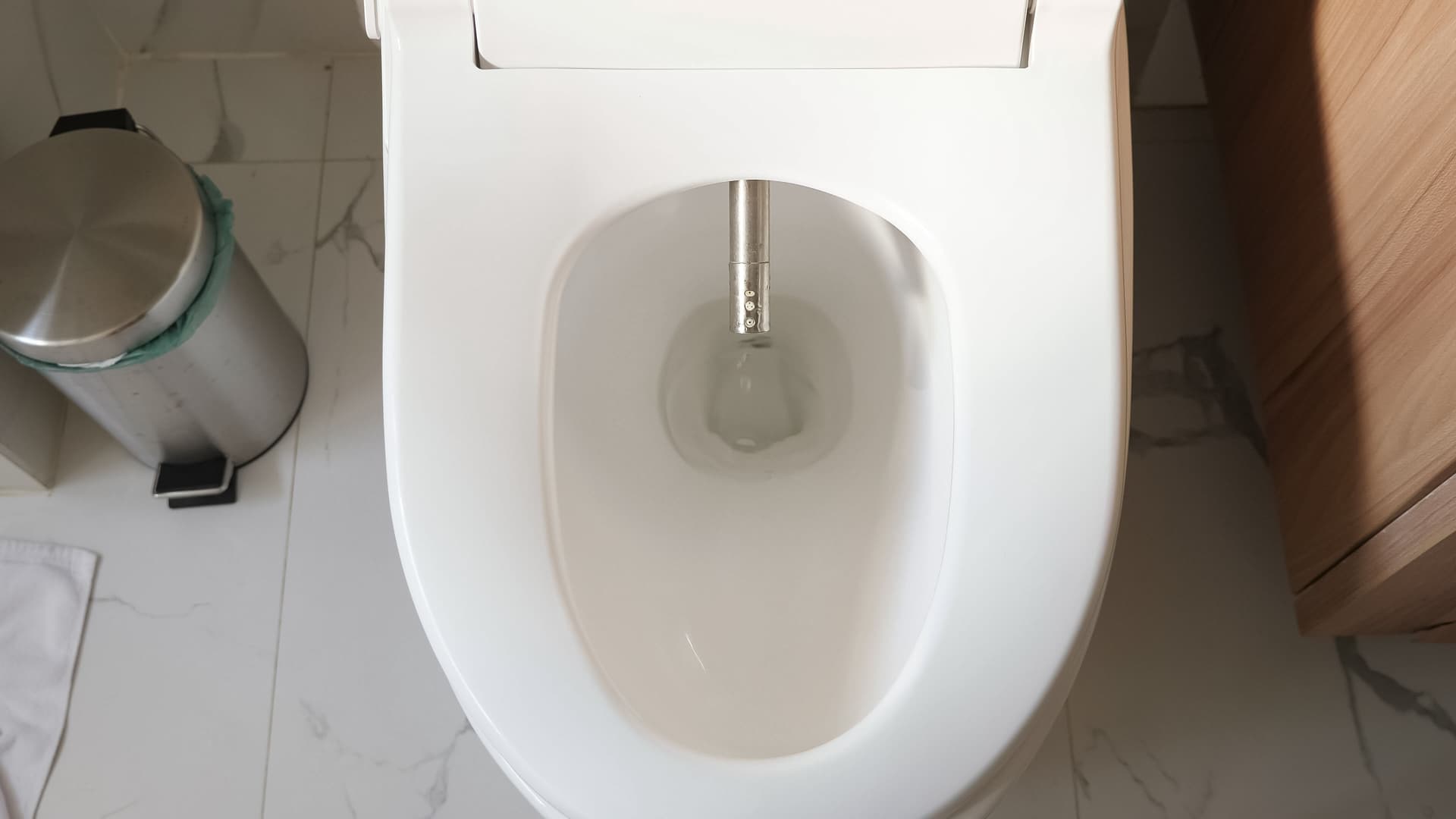
We recently got a call from a homeowner — let’s call him Mark — who had a simple-sounding request: “I’m having two bidets installed and I need an outlet by each toilet. Can you just give me a price over the phone?”
Like a lot of people, Mark had already talked to a couple of electricians and was getting different answers. One common question we asked him — and that we ask almost everyone in this situation — was: “Do those bathrooms share a wall with another room that already has an outlet?” That one detail can completely change how straightforward (or not) the project will be.
If you’re thinking about adding a bidet seat or bidet toilet, here’s what you should know about adding electrical outlets before you schedule your installation.
Power requirements: what your bidet actually needs
Most modern bidet seats and integrated bidet toilets are designed to plug into a standard household circuit, but there are a few details to pay attention to.
Typical electrical specs for bidets
While every brand is a little different, most residential bidets fall into these ranges:
- Voltage: 120V (standard in most U.S. homes)
- Circuit: 15A or 20A branch circuit
- Plug type: Standard three-prong grounded plug (NEMA 5-15)
- Power draw: Often 600–1400 watts at peak (when heating water/seat)
The key thing we look at is maximum wattage. Two high-end bidets on the same circuit, plus bathroom lights, fans, and other loads, can start to push the limits of a 15A circuit.
Pro tip: Before you call an electrician, grab the model number of your bidet (or the one you’re planning to buy) and either:
- Look up the “Electrical Requirements” in the online manual, or
- Take a photo of the box/label and have it ready to text or email.
How we decide where to get power from
When Mark called, he wasn’t sure what was on the other side of his bathroom walls — bedroom, hallway, another bathroom — and that’s exactly why we scheduled an in-person walkthrough instead of guessing a price over the phone.
If there’s an outlet on the other side of the wall
This is usually the easiest scenario. If the wall behind your toilet backs up to another room and already has a receptacle, we may be able to:
- Tap into that existing circuit (if it has capacity), and
- Fish cable through the wall to add a GFCI outlet near the toilet.
Often this can be done with minimal drywall damage, sometimes just a couple of small access holes that are easy to patch. That’s why the “what’s on the other side of that wall?” question matters so much.
When there’s no convenient existing circuit
If there’s no outlet on the adjacent wall, or the closest circuit is already heavily loaded, we have a few other options:
- Extend an existing bathroom circuit: If code and load allow, we may extend from an existing bathroom GFCI circuit and route cable through the attic, crawlspace, or basement.
- Run a new dedicated circuit from the panel: For higher-wattage bidets, multiple units, or older homes with marginal wiring, this is often the safest and most reliable solution.
- Surface raceway (in select situations): In finished spaces where opening walls is difficult, we can sometimes use code-approved surface raceway to bring power to the toilet location neatly.
The right choice depends on your panel capacity, the distance from the panel to the bathroom, and how your existing circuits are laid out — all things we verify during a walkthrough estimate like the one we scheduled for Mark.
Safety and code: GFCI protection near water
Anytime we’re adding outlets in a bathroom, GFCI protection is non-negotiable. You’re combining water, bare feet, and electricity in a tight space.
GFCI and location basics
Here’s what we’re usually looking to do for a bidet outlet:
- Provide GFCI protection either at the outlet itself (GFCI receptacle) or at the breaker.
- Install the receptacle in a location that’s reachable for the bidet cord but not so close that it’ll be splashed regularly.
- Use proper grounding and correct polarity on the circuit.
We also make sure we’re not overloading an existing bathroom circuit that already serves lights, fans, and a standard GFCI at the vanity. Sometimes splitting loads or running a new circuit is the only truly safe option.
Typical project steps and timeline
Every house is a little different, but here’s roughly how a bidet outlet project usually goes from our side:
1. Walkthrough and estimate
- We tour the bathrooms and the adjacent rooms.
- We locate the panel and evaluate available breaker space and capacity.
- We look at attic/basement/crawlspace access for running cable.
- We review your bidet specs and how many units you’re adding.
This first visit is often 30–60 minutes, and lets us give you a realistic scope, price range, and timeline.
2. Installation day
For most standard homes and one or two bidets, installation typically takes:
- 2–4 hours if we’re extending from a nearby outlet with easy access.
- Half a day or more if we’re running a new dedicated circuit from the panel, especially across a longer distance or in a tight attic.
We’ll:
- Shut off power and verify the correct circuits.
- Run cable through the walls/attic/basement as needed.
- Install the new box and GFCI receptacle near the toilet.
- Make panel connections and label the circuit clearly.
- Test GFCI, polarity, and bidet operation.
3. Clean-up and patching
We keep wall openings as small and as few as possible. Minor patches can sometimes be done same day; larger drywall repair and painting may be scheduled separately or handled by your own painter, depending on your preference.
What to have ready before you call an electrician
If you want the most accurate estimate — and fewer surprises later — here’s the information that really helps us, just like we asked Mark for:
- Number of bidets you’re adding and which bathrooms they’re going in.
- Exact bidet model(s) or at least brand and approximate price range.
- Photos or a quick sketch showing each toilet wall and the opposite side of those walls (hallway, bedroom, closet, etc.).
- A photo of your electrical panel with the door open so we can see breaker layout.
- Whether any other major electrical projects are planned (EV charger, hot tub, etc.), which might affect load calculations.
Having these details upfront means we can usually give you a tighter estimate range and a clearer game plan at that first walkthrough.
Thinking about adding a bidet?
A properly installed, GFCI-protected outlet is just as important as the plumbing when it comes to your new bidet. If you’re lining up a plumber to handle the fixture, it’s smart to schedule your electrical estimate before the installation date so everything’s ready when that new seat or toilet arrives.
If you’re unsure what’s behind your bathroom walls or whether your panel can handle the extra load, that’s exactly what we’re here to figure out with you during a quick in-home visit.